

166-DSC06471.jpg

A Neurological Approach to Developmental Coordination Disorder

When your child is struggling with seemingly simple tasks like tying their shoes, riding a bike, or keeping up with their peers on the playground, you feel it immediately. You worry when they’re labeled “clumsy” or “lazy,” and feel frustrated when your attempts to help them practice and improve their skills don’t seem to make a difference.

If this sounds familiar, your child may be one of the 5-6% of school-aged children affected by a condition called Developmental Coordination Disorder, or DCD.

DCD is a neurodevelopmental condition that impacts a child’s ability to learn and perform coordinated motor skills, leading to challenges with daily activities, academics, and social interactions. These children are often just as intelligent and eager to learn as their peers, but their bodies struggle to keep up with their minds.

To help children with Developmental Coordination Disorder (DCD) reach their full potential, we need to understand the crucial role that the developing nervous system plays in motor coordination and skill acquisition. Our unique Neurologically-Focused approach is designed to identify and address the underlying imbalance and dysfunction that contribute to the motor challenges these bright children experience.

By focusing on the factors that can disrupt healthy neurodevelopment, we strive to provide families with the missing piece of the puzzle and a pathway to lasting positive change.
What is Developmental Coordination Disorder (DCD)?

Developmental Coordination Disorder (DCD), also known as developmental dyspraxia, is a neurodevelopmental condition that affects a child’s ability to learn and execute coordinated motor skills. Children with DCD often struggle with tasks that require balance, coordination, and fine and gross motor skills, despite having the intelligence and opportunity to learn these skills.

Signs of DCD can vary from child to child, but often include:

  • Delays in reaching motor milestones such as crawling, walking, or sitting upright
  • Difficulty with self-care tasks like dressing, tying shoelaces, or using utensils
  • Messy handwriting or trouble with fine motor tasks like coloring or cutting with scissors
  • Clumsiness and frequent tripping or bumping into objects
  • Struggle to perform age-appropriate physical activities and sports
  • Difficulty learning organization and planning of movement

These challenges can impact a child’s daily life across home, school, and social settings. Children with DCD may take longer to complete tasks, become easily frustrated, and avoid activities that highlight their motor difficulties. This can lead to social isolation, lower self-esteem, and decreased participation in physical activities, further exacerbating motor delays.

Research indicates that DCD is more common in boys, with a ratio of 1.7 boys diagnosed for every girl. While the exact causes of DCD are not fully understood, it is believed to result from a combination of genetic and environmental factors that impact neurodevelopment.

It’s important to note that DCD often co-occurs with other neurodevelopmental conditions such as Attention Deficit Hyperactivity Disorder (ADHD), Autism Spectrum Disorder (ASD), and Specific Learning Disorders. In fact, studies suggest that up to 50% of children with DCD also have a diagnosis of ADHD. This complex interplay of conditions can make diagnosis and care planning challenging, highlighting the need for a comprehensive, drug-free approach to care.

Most importantly, we don’t define your child by a label. Each child has unique potential, and our focus is on identifying the root causes of their struggles, supporting their nervous system, and helping them develop to their fullest ability. By addressing the underlying neurological dysfunction, we can help unlock greater coordination, confidence, and overall well-being.

➡️ Stop the Endless Searching — Find What Truly Helps Your Child
Answer a few quick questions and get personalized education & resources tailored to your child’s health and development 📥
Please enable JavaScript in your browser to complete this form.
Step 1 of 6
Which topic are you most interested in learning about for your family?

The “Perfect Storm” of Causes and Risk Factors

The human body is naturally designed for precise, coordinated movement, with the brain, nervous system, and muscles working in seamless communication. But for some children, early neurological stressors can disrupt this delicate system, laying the foundation for motor challenges later on. We refer to this convergence of challenges as The “Perfect Storm.”

The “Perfect Storm” that can lead to DCD often includes:

  • Prenatal stress and maternal health issues: Studies have found that maternal stress during pregnancy can expose the developing fetus to elevated levels of cortisol which can impact brain development and increase the risk of neurodevelopmental issues.
  • Birth trauma and interventions: Complications or stress during labor and delivery, such as prolonged labor, forceps or vacuum extraction, induction, or C-section delivery, can cause physical stress and trauma to the infant’s delicate brainstem and nervous system, which play a major role in motor tone, development, and coordination.
  • Early childhood stressors and environmental factors: Early exposure to antibiotics, environmental toxins, nutritional deficiencies, or emotional stress in the early years of life can further compromise a child’s neurological development and contribute to motor challenges.

These factors can lead to subluxation, or stuck stress and tension within the nervous system, which disrupts the body’s ability to accurately sense and respond to itself. Subluxation can significantly interfere with proprioception—the brain’s awareness of body position and movement—and can compromise the ability to coordinate muscles smoothly and efficiently. This breakdown affects muscle tone, motor planning, balance, and timing, and over time can show up as the coordination challenges characteristic of Developmental Coordination Disorder (DCD).

Subluxation quite literally gets in the way of the brain’s ability to initiate the action and the body’s ability to respond and follow suit. This can make tasks like catching a ball, tying shoes, or climbing stairs feel frustratingly difficult for children with DCD. Over time, these interruptions in brain-body communication can affect confidence, coordination, and the ability to learn new motor skills, creating a cycle in which the nervous system struggles to keep up with the child’s intentions.

And because healthy, strong motor control depends on a well-functioning nervous system, disruptions in movement often signal broader nervous system dysfunction. When nervous system coordination is impaired, it can affect not just movement, but also attention, emotional regulation, sensory processing, and executive function. That’s why the same underlying nervous system dysfunction that contributes to DCD can also be linked to ADHD, sensory processing challenges, or features seen in ASD. Early neurological stressors don’t just interfere with movement—they can ripple across multiple systems, shaping a child’s cognitive, emotional, and behavioral development.

The Role of the Nervous System in Motor Development

To truly understand the causes of DCD, we must also look at the critical role of the nervous system in motor development. The cerebellum, a region at the base of the brain, is particularly important for coordinating and fine-tuning movement. Research has shown that children with DCD often display differences in cerebellar structure and function compared to their peers.

The sensory-motor system, which involves proprioception and visual-spatial processing, is essential for motor planning and execution. Disruptions in these neural pathways can hinder children with developmental dyspraxia from learning and performing new motor tasks, as they have difficulty integrating sensory information to guide their movements.

While conventional theories often attribute neurodevelopmental conditions like DCD to simple “chemical imbalances” in the brain, we take a broader perspective. The brain isn’t just a command center—it’s a primary sensory organ, continuously receiving and interpreting input from the body. When subluxation or nervous system dysfunction disrupts this sensory flow, it can interfere with motor planning, coordination, and overall neurodevelopment. Understanding the dynamic interaction between the developing nervous system, sensory input, and the child’s environment is key to addressing the root causes of movement and coordination challenges.

By focusing on the underlying neurological dysfunction, rather than just managing surface-level symptoms, we aim to help children with DCD unlock their full potential for growth, development, and success.

Types-of-INSiGHT-Scans-PX-DOCS-SITE-6-1024x720.png (1).jpeg

The Neurologically-Focused PX Docs Approach

Management of Developmental Coordination Disorder (DCD) often includes physical therapy, occupational therapy, and school accommodations, which are wonderful for building skills and helping children adapt. At the same time, we know that addressing the underlying neurological factors is essential in addressing the root causes and giving children a stronger foundation for coordination, motor control, and overall development.

We believe that a drug-free, Neurologically-Focused approach is foundational for empowering children with DCD to reach their fullest potential. Our Neurologically-Focused Chiropractic Care is designed to identify and address subluxation and nervous system dysregulation, promoting optimal brain-body communication, neurological development, and coordination.

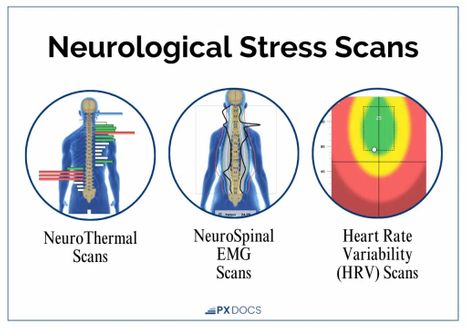
Through the use of Neurological INSiGHT Scans, our doctors can pinpoint specific areas of neurological stress and imbalance that may be contributing to a child’s motor challenges. This detailed information allows us to create highly customized care plans that target each child’s unique needs and goals.

By addressing the underlying neurological factors associated with dyspraxia in children, Neurologically-Focused Chiropractic Care can help:

  • Improve motor skills, coordination, and balance
  • Enhance sensory processing and integration disorders
  • Boost self-confidence and participation in physical activities
  • Reduce frustration and anxiety related to motor challenges
  • Support overall mental health, brain development, and learning

By addressing the root causes of neurological dysfunction and empowering children to build upon their unique strengths and abilities, we believe that every child with DCD has the potential to thrive and lead a fulfilling life.

Partnering with Parents:

We recognize that parents play a crucial role in supporting their child’s journey with Developmental Coordination Disorder (DCD). We believe in partnering with families to create a drug-free, collaborative approach that extends beyond the walls of our practice and into the child’s daily life.

Supporting DCD recovery involves a multidisciplinary team, including healthcare providers, educators, therapists, and, most importantly, parents. By working together and maintaining open communication, this team can create a consistent, supportive environment that fosters the child’s growth and success.

As a parent, you can support your child’s motor skill development at home by:

  • Encouraging regular physical activity and play in a safe, supportive environment
  • Breaking down complex tasks into smaller, more manageable steps
  • Providing positive reinforcement and celebrating your child’s progress and efforts
  • Incorporating fun, multisensory activities that promote coordination and body awareness

Advocating for your child’s needs in school and extracurricular settings is another essential aspect of supporting DCD recovery. This may involve working with teachers and administrators to develop accommodations, such as extra time for writing tasks or modified physical education activities, that allow your child to participate and learn at their own pace.

A Path to Thriving with DCD

Developmental Coordination Disorder (DCD) presents clear challenges for children and families, but with appropriate support, children can thrive. We focus on understanding neurological dysfunction, empowering children to leverage their strengths, and providing families with essential tools to navigate this journey.

Neurologically-Focused Chiropractic Care offers a safe, drug-free approach to optimizing brain-body communication and promoting neurological development. By using advanced diagnostic tools such as INSiGHT Scans and targeted, customized care plans, PX Docs aim to help children with DCD unlock their innate potential for growth and success.

If you suspect your child may have DCD or are seeking a more drug-free approach to their care, we invite you to visit the PX Docs Directory and take the first step towards empowering your child to reach their fullest potential.

With the right support and partnership, your child can overcome the challenges of DCD and uncover their unique strengths. Remember, each journey is unique—celebrate small victories, embrace setbacks as growth opportunities, and trust in your child’s resilience.

Article from P X Docs - https://pxdocs.com/developmental-delays/developmental-coordination-disorder/

PX Docs has established sourcing guidelines and relies on relevant, and credible sources for the data, facts, and expert insights and analysis we reference. You can learn more about our mission, ethics, and how we cite sources in our editorial policy.

References