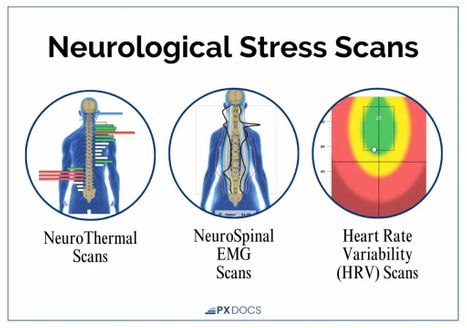
Most people think hemorrhoids are just a “local” issue — irritated tissue, veins, pressure. But the truth is, your nervous system plays a major role, running the entire show behind the scenes. Whether it’s digestion, healing, or even how you breathe and stabilize your core… it matters whether your autonomic nervous system is stuck in stress mode (sympathetic) or able to shift into rest, digest, and repair mode (parasympathetic).
Here’s how the nervous system directly impacts the healing of hemorrhoids:
1. Constipation, Digestion, and Straining
Your digestive system only works its best when the parasympathetic system is fully “online.” That’s what moves food through the GI tract, stimulates proper motility, and keeps stools soft and easy to pass.
But when your nervous system is stuck in fight-or-flight, digestion slows way down. Constipation kicks in, leading to more straining, more pressure, and more irritation of already-sensitive tissues.
Supporting the parasympathetic system isn’t just helpful — it’s essential for breaking the cycle of constipation and straining.
2. Healing and Tissue Recovery
Hemorrhoids are ultimately a tissue and vascular issue — and tissues don’t heal when the body is in survival mode.
Postpartum, especially, the body needs to be in deep parasympathetic dominance to repair tissue, reduce inflammation, and restore normal function. When the nervous system is dysregulated, that healing process is delayed, incomplete, or constantly disrupted.
To actually recover, your body has to shift into healing mode — and that’s entirely governed by the parasympathetic nervous system.
3. Breathing Patterns and Pelvic Floor Function
Your diaphragm and pelvic floor are teammates. They rise and fall together with each breath, maintaining pressure, stability, and healthy movement in the pelvic bowl.
But when someone is breathing from the shoulders and chest — classic stress breathing — the diaphragm barely moves. That means the pelvic floor can’t move either. A tight, frozen, or overactive pelvic floor increases pressure downwards, aggravates hemorrhoids, and makes bowel movements more difficult.
Parasympathetic activation restores diaphragmatic breathing, which in turn restores proper pelvic floor motion… which reduces pressure on hemorrhoids.