
123-DSC06372.jpg

What is PANS Disease?

It’s terrifying when your once happy, easygoing child suddenly struggles with severe anxiety, obsessive thoughts, or explosive emotions. Parents are left wondering what changed and how to help. Overnight, your child transforms from a carefree kid to a shadow of their former self, washing their hands raw, asking endless repetitive questions, or experiencing debilitating tics. Schoolwork, friendships, and family life unravel as your child spirals into a world of overwhelming fears and compulsions.

For the parents of children among the 1 in 200 diagnosed with PANS (Pediatric Acute-onset Neuropsychiatric Syndrome), this nightmare scenario is a harsh reality. PANS is characterized by the abrupt onset of Obsessive-Compulsive Disorder (OCD) or eating restrictions along with a range of other neuropsychiatric signs.

The alarming changes in behavior and personality leave families frightened, confused, and desperate for answers, but there is hope.

By understanding the root causes of PANS and embracing a drug-free, Neurologically-Focused approach to healing, parents can help their children recover from this devastating condition. PANS is not a sentence to lifelong suffering, but a call to action to restore balance to the brain and nervous system naturally.
What is PANS?

PANS, or Pediatric Acute-onset Neuropsychiatric Syndrome, is a complex condition that appears suddenly in children, usually between the ages of 3 and 14. The hallmark of PANS is the abrupt onset of Obsessive-Compulsive Disorder (OCD) or severely restricted food intake, along with at least two other neuropsychiatric signs.

To be diagnosed with PANS, a child must experience the following:

  • An abrupt, dramatic onset of OCD or anorexia, usually within 24-48 hours. A case study found that 5% of children with OCD fit the criteria for PANS and PANDAS.
  • At least two of these concurrent neuropsychiatric signs:
    • Anxiety (heightened anxiety, separation anxiety, irrational fears, panic attacks)
    • Tics or unusual movements
    • Emotional lability and/or depression
    • Irritability, aggression, and/or severe oppositional behaviors
    • Behavioral or developmental regression (temper tantrums, baby talk, clinginess)
    • Sudden deterioration in school performance (due to ADHD-like signs, memory issues, cognitive deficits)
    • Motor or sensory issues (sensitivity to light, sound, or touch, poor handwriting, clumsiness)
    • Sleep disturbances or insomnia
    • Urinary frequency or bedwetting (enuresis)

Some children with PANS may also experience hallucinations, confusion, writing abnormalities, and even psychosis in extreme cases. Pediatric Autoimmune Neuropsychiatric Disorders Associated with Streptococcal Infections (PANDAS) is a subset of PANS in which signs are specifically triggered by a strep infection, like strep throat or scarlet fever.

The sudden, severe onset of signs is one of the most distressing aspects of PANS for children and families. A child may go from developmentally normal to washing their hands compulsively for hours, refusing to eat, having extreme separation anxiety, or experiencing uncontrollable rage. The dramatic changes in behavior and loss of previously acquired skills can leave parents reeling and searching for answers.

The Conventional Medical View of PANS

In the mainstream medical community, PANS is often viewed as a rare autoimmune condition triggered by infections or other inflammatory reactions. The prevailing theory is that antibodies mistakenly attack the brain, particularly the basal ganglia region (involved in movement, behavior, and emotion regulation). This autoimmune reaction is thought to cause the sudden onset of neuropsychiatric signs like tics and OCD.

However, the exact mechanisms behind PANS are still not fully understood. Some potential triggers that have been proposed include.

  • Infections like strep, influenza, mycoplasma pneumonia, and Lyme disease
  • Metabolic conditions or disturbances
  • Other inflammatory reactions or conditions

From a conventional standpoint, caring for PANS typically involves a combination of the following:

  • Antibiotics to address any underlying bacterial infections, like strep
  • Immunomodulatory medications to suppress the overactive immune response
  • Psychiatric drugs to manage OCD, anxiety, and other neuropsychiatric signs

While these interventions can provide some relief, they often fall short of addressing the root cause of PANS. Conventional medicine tends to view PANS as primarily an autoimmune or psychiatric condition, neglecting the critical role of the nervous system in regulating immune function and behavior.

Mainstream PANS care plans often involve medications that carry potential side effects and risks, particularly for developing children. Antibiotics have been found to disrupt the gut microbiome. Research shows that immunosuppressants can increase infection risk and lead to long-term issues.

By focusing solely on symptom suppression and failing to investigate underlying neurological imbalances, the conventional approach to PANS may miss opportunities for true, drug-free healing. Parents seeking a more holistic, root-cause solution may find the answers they need by exploring alternative perspectives, such as those offered by PX Docs.

The PX Docs’ Approach to the Root Cause of PANS

At PX Docs, we often talk about PANS in terms of a “Perfect Storm.” This condition rarely has a single cause. Instead, it arises when multiple factors combine to overwhelm a child’s nervous system, sometimes starting as early as fetal or infant development.

Infections are a well-known trigger, with strep (Group A Streptococcus) often linked to sudden neuropsychiatric changes in children. Researchers believe that, in these cases, the immune system may mistakenly attack the brain, leading to inflammation and dysfunction. But strep isn’t the only culprit. Other infections, including influenza, Lyme disease, mycoplasma pneumoniae, and even the common cold, can contribute to flare-ups. Environmental stressors such as toxins, mold, or heavy metal exposure can further tip the balance by affecting immune and nervous system function.

The “Perfect Storm” goes beyond acute triggers. Often, the infection is simply the final straw — the trigger that exposes an underlying vulnerability that has been developing over time. Early life stressors — from maternal stress during pregnancy and fertility, birth trauma and interventions, or overexposure to toxins and antibiotics — can leave the nervous system and immune system primed for heightened reactivity. Overuse of antibiotics, poor nutrition, illness, emotional stress, and toxin exposure all add to this cumulative load, increasing the risk of nervous system dysregulation.

When these factors converge, subluxation and dysautonomia often emerge. These disruptions in the autonomic nervous system can affect heart rate, digestion, and immune response, leaving children more susceptible to PANS triggers. The vagus nerve, a central regulator of inflammation and behavioral control, becomes especially important. When vagal function is compromised, it can amplify emotional, behavioral, and immune challenges. Restoring vagal tone and stimulating the vagus nerve through nervous system-focused care can therefore be a key intervention.

By looking at PANS through this lens, we can move beyond simply addressing symptoms or chasing triggers. Instead, families can support foundational nervous system function, reduce dysregulation, and give children the best chance to respond to therapy, heal, and thrive. This holistic approach, which combines early identification, nervous system care, and individualized support, is what PX Docs strives to provide to families who have often felt there were no answers.

Types-of-INSiGHT-Scans-PX-DOCS-SITE-5-1024x720.jpeg

Helping Your Children Thrive Beyond PANS

For parents facing the overwhelming reality of PANS, it’s important to remember that your child’s condition is not a life sentence. By understanding the role of the nervous system in this complex condition and seeking out root-cause solutions, you can help your child achieve lasting relief and resilience.

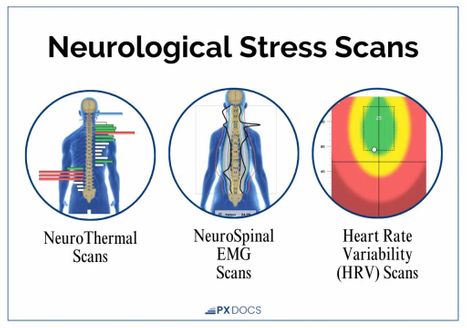
You don’t have to navigate this challenge alone. PX Docs are specially trained to identify and correct the nervous system imbalances at the heart of PANS using cutting-edge scanning technology, called INSiGHT Scans, and precise adjustment techniques. By partnering with a PX Docs chiropractor, you gain a compassionate ally who can help unlock your child’s potential.

If your child is struggling with PANS or PANDAS, we encourage you to explore the transformative power of Neurologically-Focused Chiropractic Care. Visit our directory to find a PX Docs provider near you and take the first step towards lasting, drug-free healing for your child and family.

Remember, beneath the storm of PANS symptoms shines your child’s brilliant, unburdened spirit. With the right approach and support, you can help them reclaim their health, joy, and limitless possibilities.

Article from P X Docs - https://pxdocs.com/pregnancy/pregnant-woman-test/

PX Docs has established sourcing guidelines and relies on relevant, and credible sources for the data, facts, and expert insights and analysis we reference. You can learn more about our mission, ethics, and how we cite sources in our editorial policy

References